

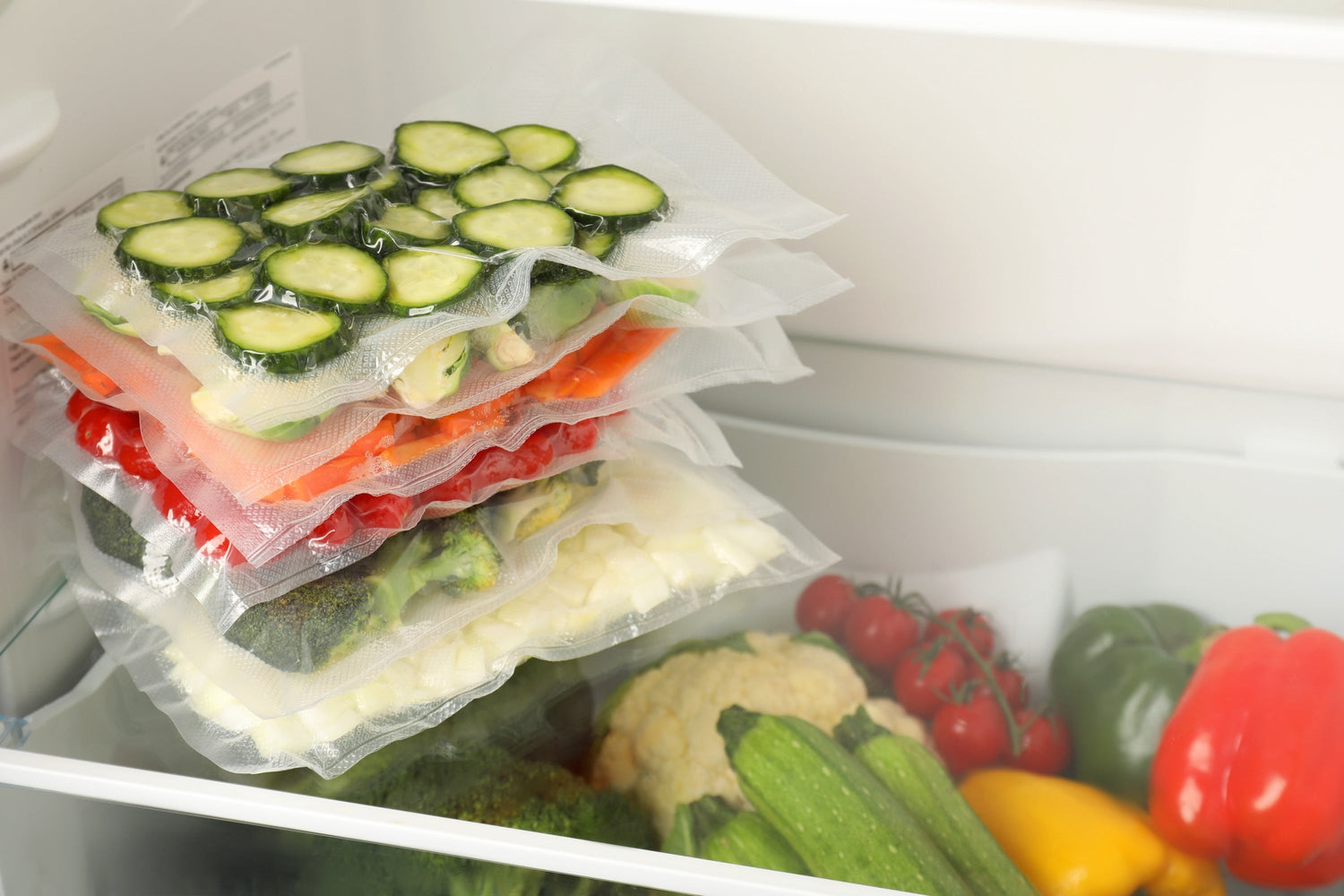
In August, the freezer fills up faster than you can empty it. Vacuum sealing can be the answer, keeping your harvest in perfectly good shape right through to winter. Let's go through what's worth sealing, what to leave raw, and why with some foods it's the cold, not the vacuum, that really matters.
Vacuum removes air. Nothing more, nothing less.
A vacuum sealer does one thing: it pulls the air out of the bag and seals it shut. Without oxygen, oxidation slows down, which means less rancidity and browning, and moulds and yeasts have a harder time growing. That's the whole trick.
What the vacuum can't do matters just as much. It won't kill the bacteria or their spores that are already on the food. Vacuum sealing is therefore no substitute for canning or sterilisation. It's a way of packing food, not preserving it.
And here's a less obvious point. Along with the oxygen, you also lose the moulds and smells that normally warn you something is going off. Food can look and smell perfectly fine and still be long past its prime. That's exactly why the storage rules for vacuum-sealed food are stricter, not looser.
Most vegetables want a hot bath before sealing
Raw vegetables are full of enzymes that keep working even in the freezer. After a few months, your green beans and broccoli turn soft, faded and bland, even if the bag has held perfectly. A short scald, known as blanching, stops them.
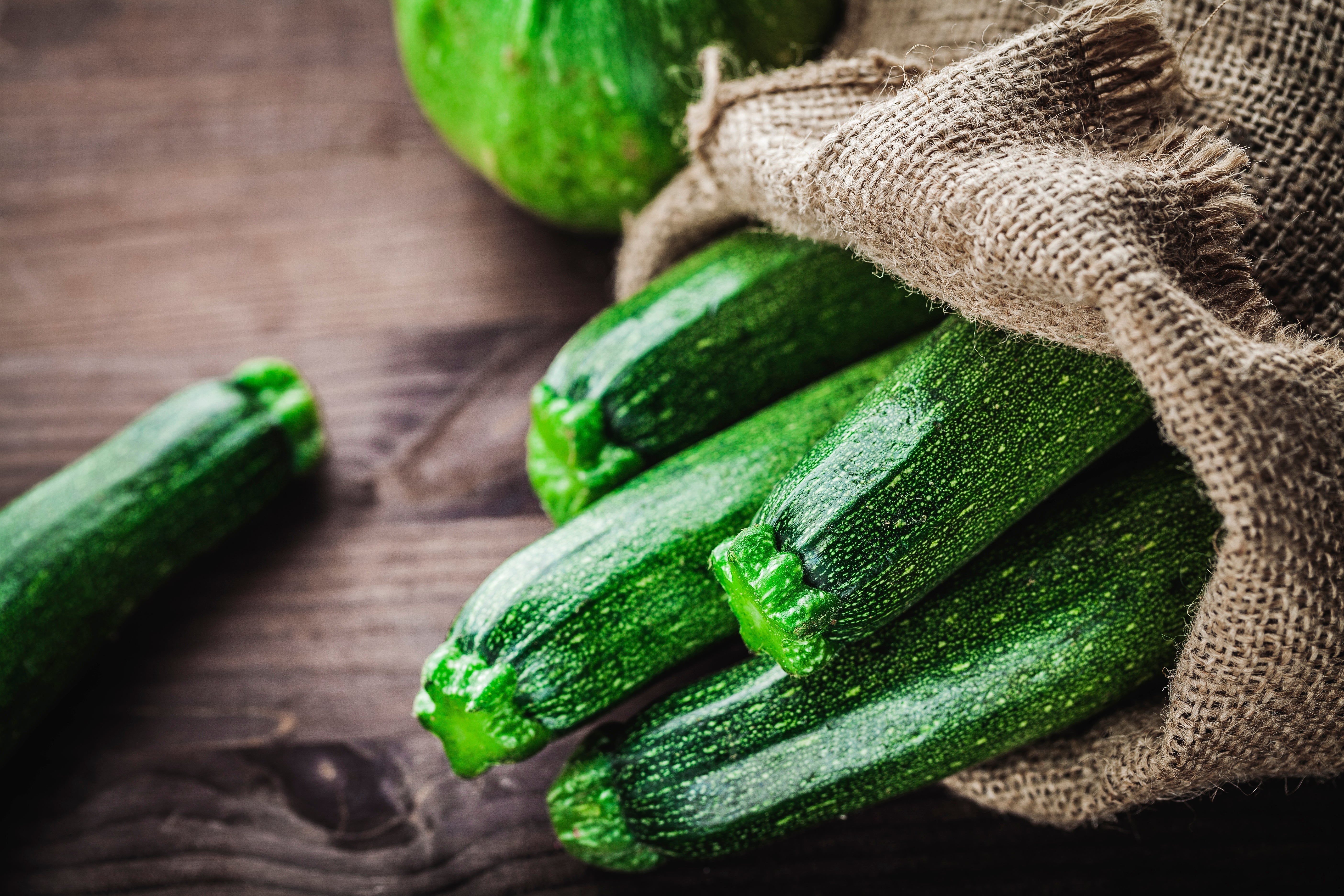
Times vary by vegetable and the size of the pieces. Green beans, broccoli and cauliflower need 3 minutes, sliced courgette 3 minutes, carrots cut into rounds 2 minutes, and corn on the cob 7 to 11 minutes depending on size. Right after scalding, move the pieces into ice water for the same length of time, otherwise they keep cooking in their own heat. And a short blanch is actually worse than none, because the heat only wakes the enzymes up.
Not everything gets blanched, though. Put peppers and tomatoes in the freezer raw; a scald would turn them to mush.

A wet seal won't hold, no matter how good the machine is
The most common reason people return a vacuum sealer isn't a fault in the machine. It's water. If a drop of water or juice reaches the heating strip during extraction, the plastic doesn't fuse properly at that spot, and within a few days air creeps back into the bag.
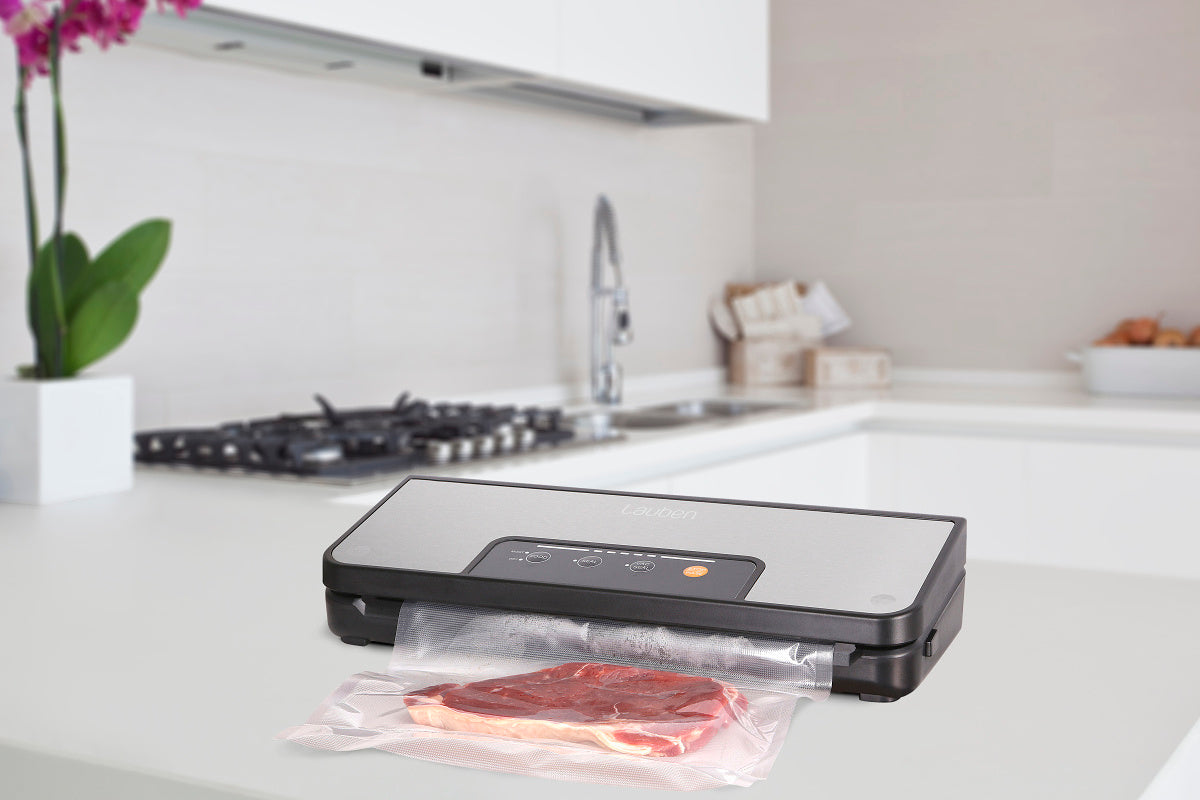
So dry your produce thoroughly after blanching and after washing, ideally with a towel or in a salad spinner, and fold the top edge of the bag outward before filling it so it stays dry. With moist and soft foods, the machine itself helps too. The Lauben Vacuum Sealer 60SB has separate wet and dry modes and a pulse function, which lets you control the pressure by hand on delicate produce so it doesn't get crushed. Liquids like ratatouille or stock don't belong in a bag at all. For those, use vacuum containers through the hose, or freeze them overnight in a bowl and seal them once they're a solid block of ice.

Soft fruit and herbs need a different approach
Raspberries, strawberries and blueberries would be crushed to a pulp by the suction before the bag even sealed. So first spread them out on a tray, freeze them for two hours, and only once they've hardened, tip them into a bag and seal. The shape and colour stay intact.
Herbs just need drying and sealing. With leafy ones like basil or parsley, a few seconds in hot water helps keep them from turning black in the vacuum.
Days in the fridge, months in the freezer
Vacuum extends shelf life, but it won't turn your fridge into a freezer. With moist vegetables and herbs in the fridge, count on a week to a fortnight rather than a month. The reason is simple: some bacteria, such as listeria, grow slowly even in fridge cold, and the vacuum doesn't stop them.
In the freezer at −18 °C, blanched vegetables keep their quality for roughly 8 to 12 months. Longer figures you may come across in some guides describe when food merely stops being edible, not how long it stays at its best.
And one thing to watch out for. Vacuum-sealed vegetables, mushrooms and meat must not be left out of the cold. In a sealed, oxygen-free bag at room temperature, these low-acid foods can grow the organism behind botulism without any change you'd notice in look or smell. So food like this always goes in the fridge or freezer, never in the pantry or a backpack for a day out.

What to keep raw and out of the vacuum
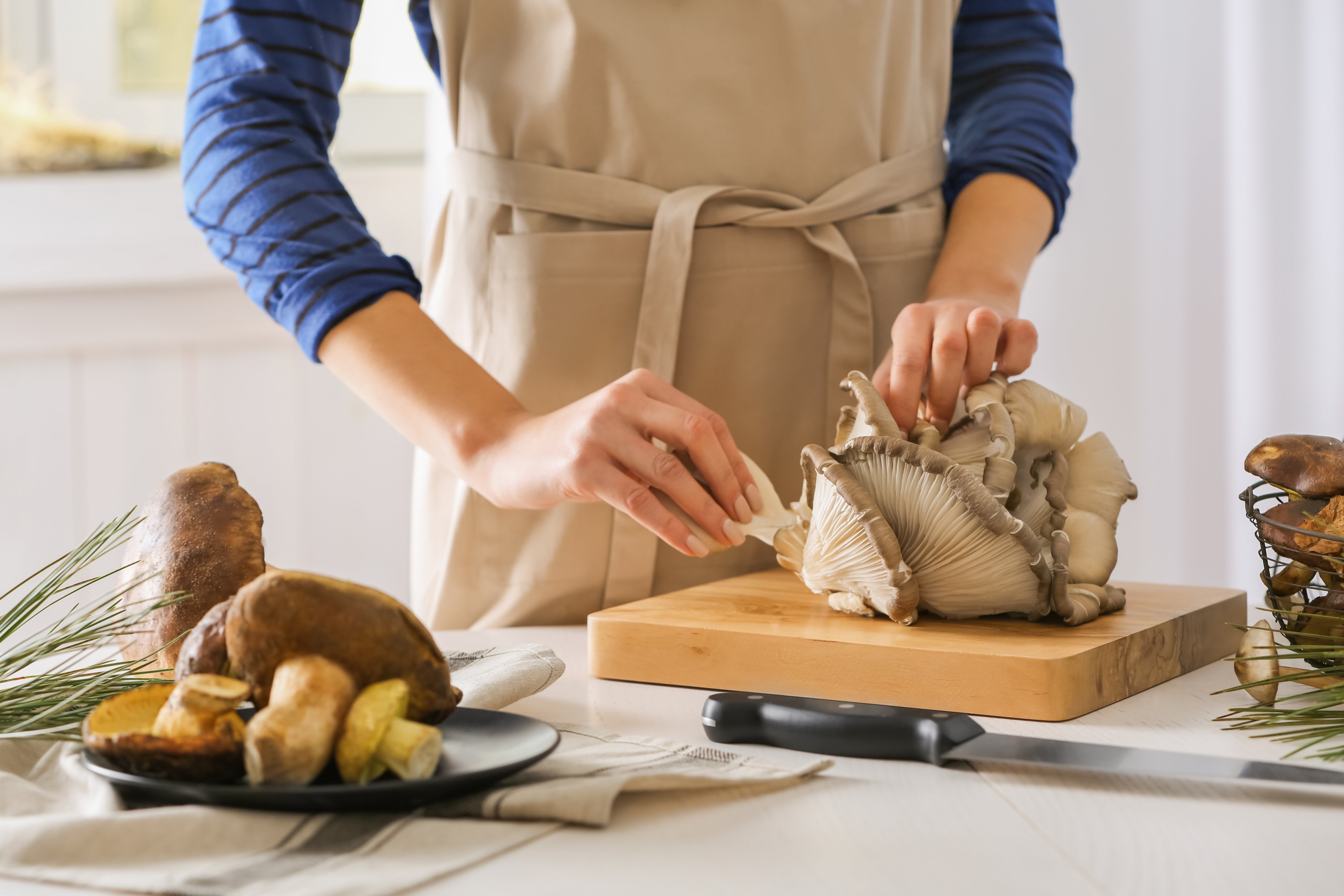
A few foods shouldn't be sealed raw. Raw garlic and onion take on needless risk in a vacuum and release gases on top of that. Broccoli, cauliflower and cabbage also give off gas when raw and puff the bag up, so scald them first. Raw mushrooms hold a lot of water and carry soil spores, so sauté or blanch them and let them cool before sealing.
That popular trick of sealing garlic or herbs in oil and storing them in the pantry is exactly the case that causes trouble. If you want to make an oil like that, it belongs in the fridge and should be used up soon. And always let hot food cool before sealing, otherwise water condenses in the bag and the seal suffers.
Frequently asked questions
Do I have to blanch vegetables before sealing? Yes, for vegetables you're putting in the freezer, blanching is necessary. It stops the enzymes that would otherwise spoil colour, flavour and texture even in the freezer. The exceptions are peppers and tomatoes, which are frozen raw.
How long do vacuum-sealed vegetables last in the freezer? Blanched vegetables keep good quality in the freezer at −18 °C for about 8 to 12 months. After that they're still edible, they just gradually lose flavour and texture.
Can I leave vacuum-sealed vegetables out of the fridge? No. Vacuum-sealed vegetables, mushrooms and meat always belong in the fridge or freezer. Without cold, these foods risk growing dangerous bacteria in a vacuum that you can't detect by look or smell.
Does vacuum sealing replace canning? No. Vacuum sealing only removes air; it doesn't heat the food or kill bacteria. Canning treats the food with heat. They're two different methods, and a bag sealer can't do the second one.
How do I seal raspberries without crushing them? First spread them on a tray and freeze them for two hours. Once they've hardened, tip them into a bag and seal. The suction can't crush frozen fruit.
Vacuum pays off when you pair it with cold
Vacuum sealing is a great ally against waste and freezer burn, but it works as part of storage, not instead of it. Dry, scald the vegetables, pre-freeze the soft stuff, and get the finished packs straight into the cold. That's how your August harvest makes it to winter in a state you'll be glad to serve.
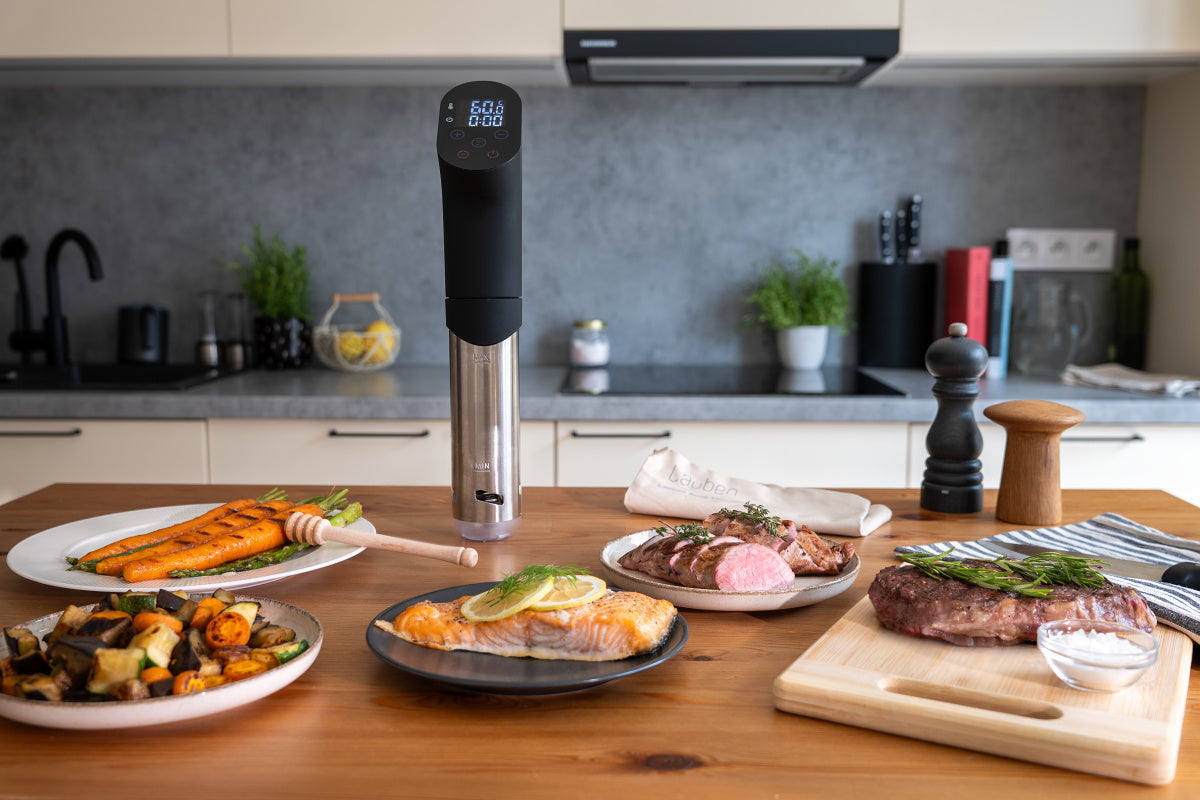
A blanched, vacuum-sealed portion is also ready to go for sous vide.