

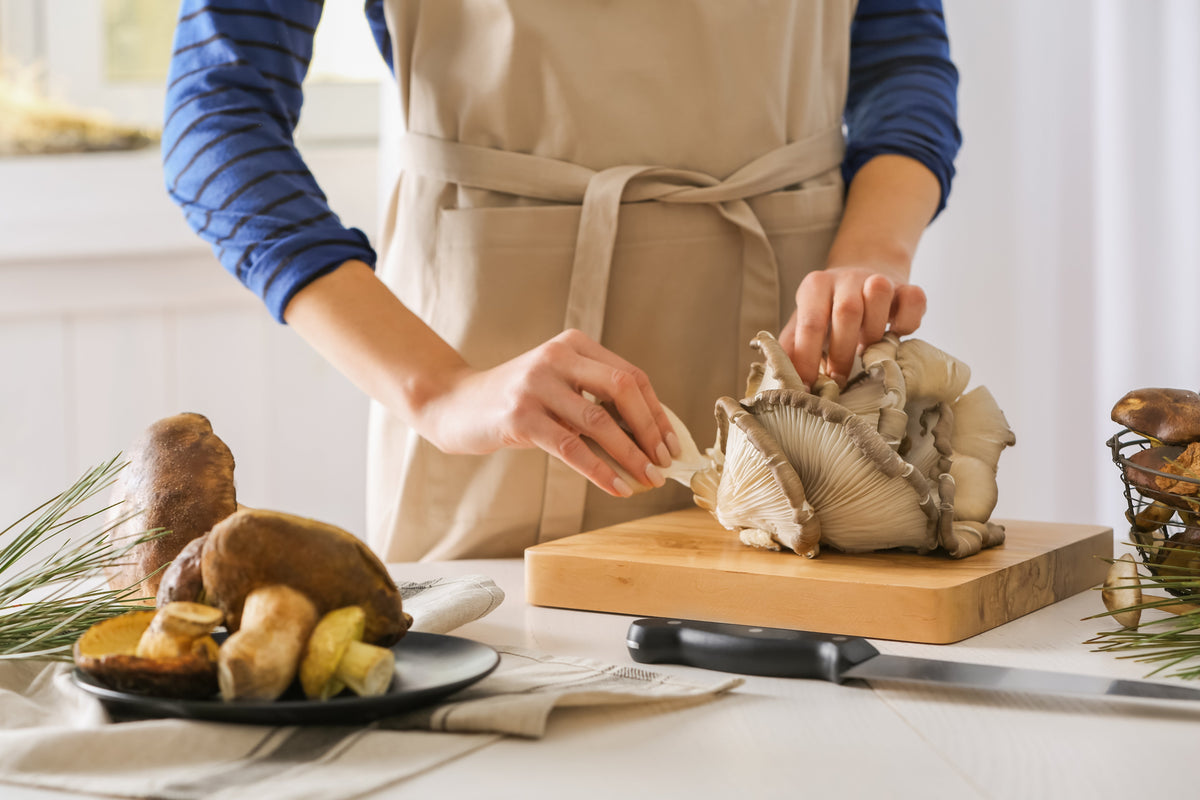
September is the peak of mushroom season and it would be a shame to cook them into nothing more than a mushroom scramble. We'll show you three dishes where mushrooms take the lead and which you make in a single pot. And that means one thing... No stirring, no watching, so almost no work. Sounds good, doesn't it?
One pot instead of three
Mushrooms come with one catch. Every dish wants a different technique. Risotto needs constant stirring, goulash a slow braise, soup a careful eye so it doesn't boil over. If you've got three pots and a whole afternoon, brilliant. If not, it helps to have something that handles all three.
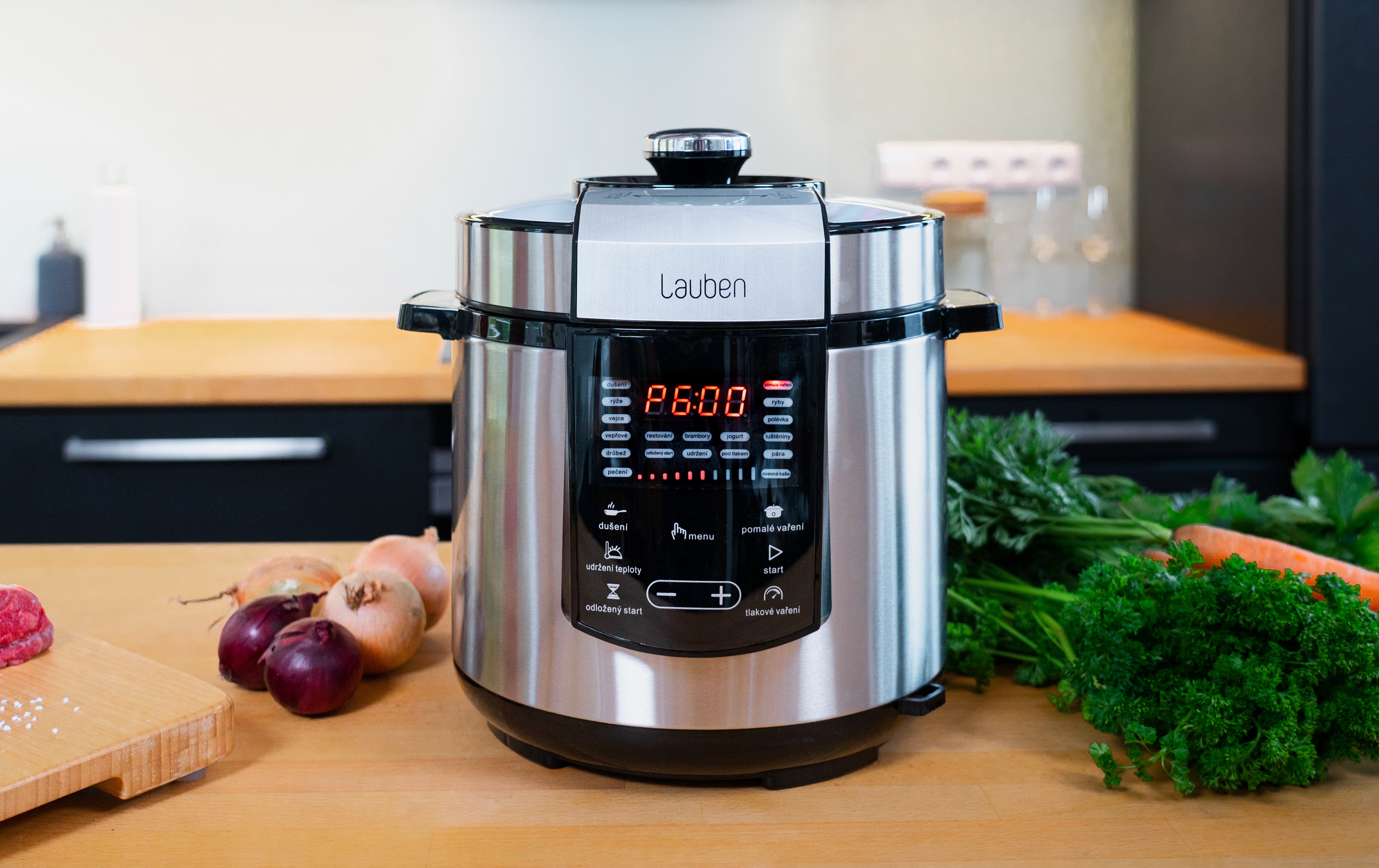
That is exactly what the Lauben Multi Cooker 18SB is for. One pot with eighteen programmes that replaces a pressure cooker, rice cooker, steamer and slow cooker. You sauté the base at the start, switch the programme and let it work. For the risotto it watches the rice, for the goulash it takes over the braising, for the kulajda it cooks the soup without letting it run over. The six-litre bowl covers lunch for several days and goes in the dishwasher once you're done. Which, with mushrooms and cream, you'll really appreciate.
Mushroom risotto with dried porcini
Dried porcini give risotto a certain something that fresh mushrooms alone can't pull off. And the soaking water is gold, don't pour it away.
Ingredients:
- 300 g arborio rice
- 30 g dried porcini
- 300 g fresh mushrooms (button or oyster mushrooms)
- 1 onion
- 2 garlic cloves
- 100 ml white wine
- 1 litre vegetable stock
- 50 g Parmesan
- butter, olive oil, salt, pepper, flat-leaf parsley
Method:
- Pour 250 ml of hot water over the dried porcini and leave to stand for 20 minutes. Drain and keep the water.
- On the sauté programme, heat the butter with a little oil. Sweat the chopped onion and garlic for 3 minutes. Add the chopped fresh mushrooms and the soaked, chopped porcini and sauté for 5 minutes.
- Tip in the rice, stir and pour in the wine. Let it cook off, then add the stock and the reserved porcini water.
- Switch to the rice programme and cook for about 18 minutes, until the rice is tender and stays creamy.
- Finally, stir in the grated Parmesan and a knob of cold butter. Season, scatter with parsley and serve straight away.

Oyster and button mushroom goulash
Hearty, a little spicy, just right for a cold evening. After braising, oyster mushrooms take on an almost meaty texture, so the goulash fills you up even without meat.
Ingredients:
- 500 g oyster mushrooms
- 200 g button mushrooms
- 2 onions
- 3 garlic cloves
- 2 tbsp sweet paprika
- 1 tsp hot paprika
- 1 tbsp tomato purée
- 500 ml vegetable stock
- 2 potatoes
- marjoram, caraway, salt, pepper, oil
Method:
- On the sauté programme, fry the chopped onion in oil for 5 minutes until golden. Add the garlic and both paprikas and stir briefly so the spices don't burn.
- Add the chopped mushrooms and sauté for 8 minutes, until they release their water and draw it back in.
- Stir in the tomato purée, marjoram and caraway. Pour in the stock and add the potatoes, cut into cubes.
- Switch to the stew programme and cook for 40 minutes. If you're in a hurry, the pressure programme brings it down to about 15 minutes.
- Season with salt and pepper and let it rest for a few minutes. The flavour will settle.

Kulajda with mushrooms
A gentle counterpoint to the goulash. Soured cream, dill and mushrooms, that's a Czech classic the pot handles too.
Ingredients:
- 400 g fresh mushrooms (button mushrooms, birch boletes or oyster mushrooms)
- 4 potatoes
- 1 litre vegetable stock
- 200 ml soured cream
- 2 eggs
- 1 tbsp plain flour
- vinegar, caraway, bay leaf, fresh dill, salt
Method:
- Cut the potatoes into cubes and the mushrooms into slices. Put them in the pot with the stock, caraway and bay leaf.
- Cook on the soup programme for 20 minutes, until the potatoes are tender.
- Whisk the soured cream with the flour, stir it into the soup and let it bubble for 5 minutes.
- Meanwhile, soft-boil the eggs, or poach them straight in the soup.
- Season with vinegar, salt and a handful of chopped dill. Put one egg in each bowl.

FAQ
Are fresh or dried mushrooms better? A mix of both works best. Dried porcini bring depth and a strong aroma, fresh ones bring texture and body. It pays to add a handful of dried to risotto and soups even when you have plenty of fresh.
How do you clean mushrooms before cooking? Wipe them with a damp cloth or a mushroom brush, don't rinse them under running water. They'd soak it up and then release water as they cook instead of taking on colour. Dried mushrooms just need soaking in warm water, and you use the soaking water in the dish.
What can you use instead of mushrooms out of season? Out of season, reach for button and oyster mushrooms, which you can buy all year. A handful of dried porcini will reliably bring back that intense autumn flavour, and they keep for months in the drawer.
Can you make it ahead or freeze it? Goulash and kulajda taste even better the next day and keep for three days in the fridge. Goulash freezes without any trouble. We don't recommend freezing kulajda with cream, it splits once thawed. Eat risotto fresh, it loses its creaminess after reheating.
Do you have to blanch mushrooms before cooking? No, these recipes don't need it. Shop-bought mushrooms go straight into the pot. Blanching is more for before freezing than before cooking.
Why it's worth it
All three recipes have one thing in common. You don't have to stand over them and keep watch. That's the whole magic of the Multi Cooker 18SB. You set the programme, get on with your day and come back to a finished meal. And thanks to the keep-warm function it waits, even when the family gathers later than planned.