



The difference between ordinary and excellent coffee at home isn't one expensive machine. It's three details: water, fresh grinding and well-frothed milk.
Better coffee starts before you press start
You can brew café-quality coffee at home, it just doesn't start at the button. It starts with the things that are easy to overlook. What water goes into the kettle, how long the beans have sat ground, and what milk you pour into the mug. The good news is that all three need only a simple helper and a few extra minutes.
The water everyone forgets
Coffee and tea are mostly water, so its taste matters more than you'd expect. Chlorinated tap water gives coffee a flat, slightly chemical aftertaste. Filtered water tastes cleaner and lets the bean's aroma come through.
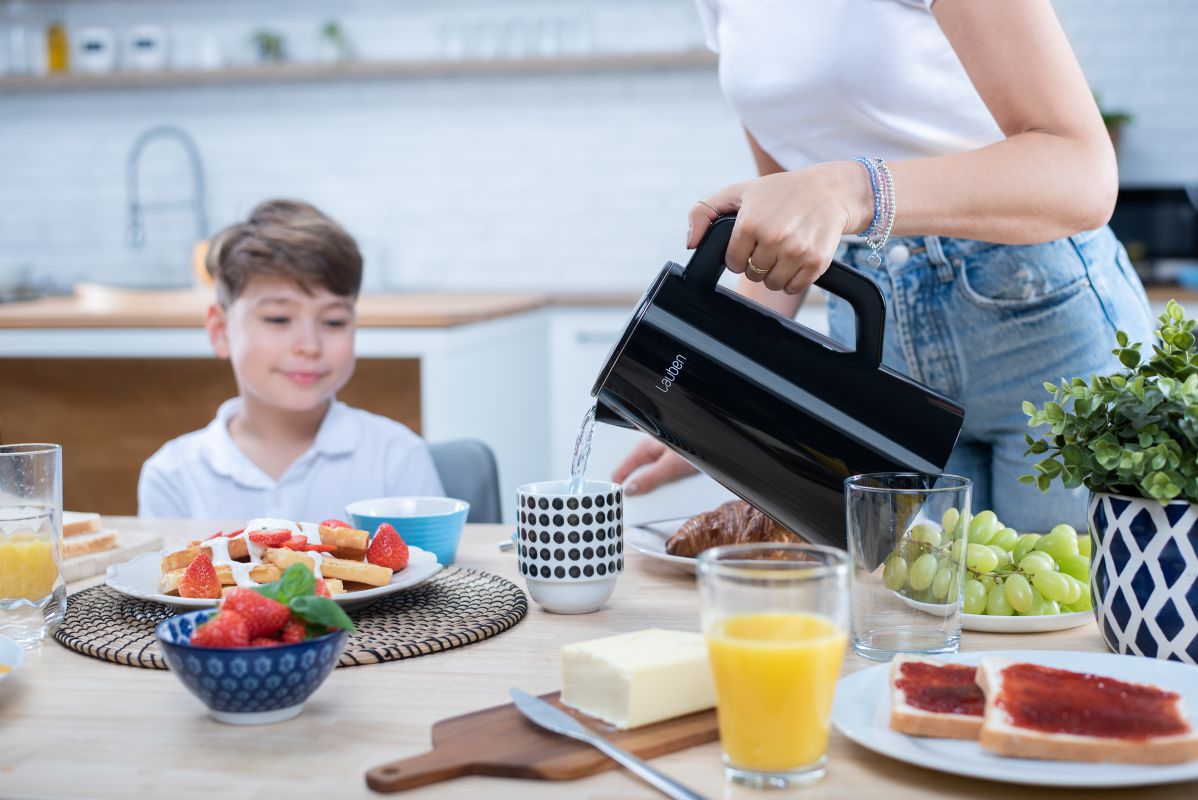
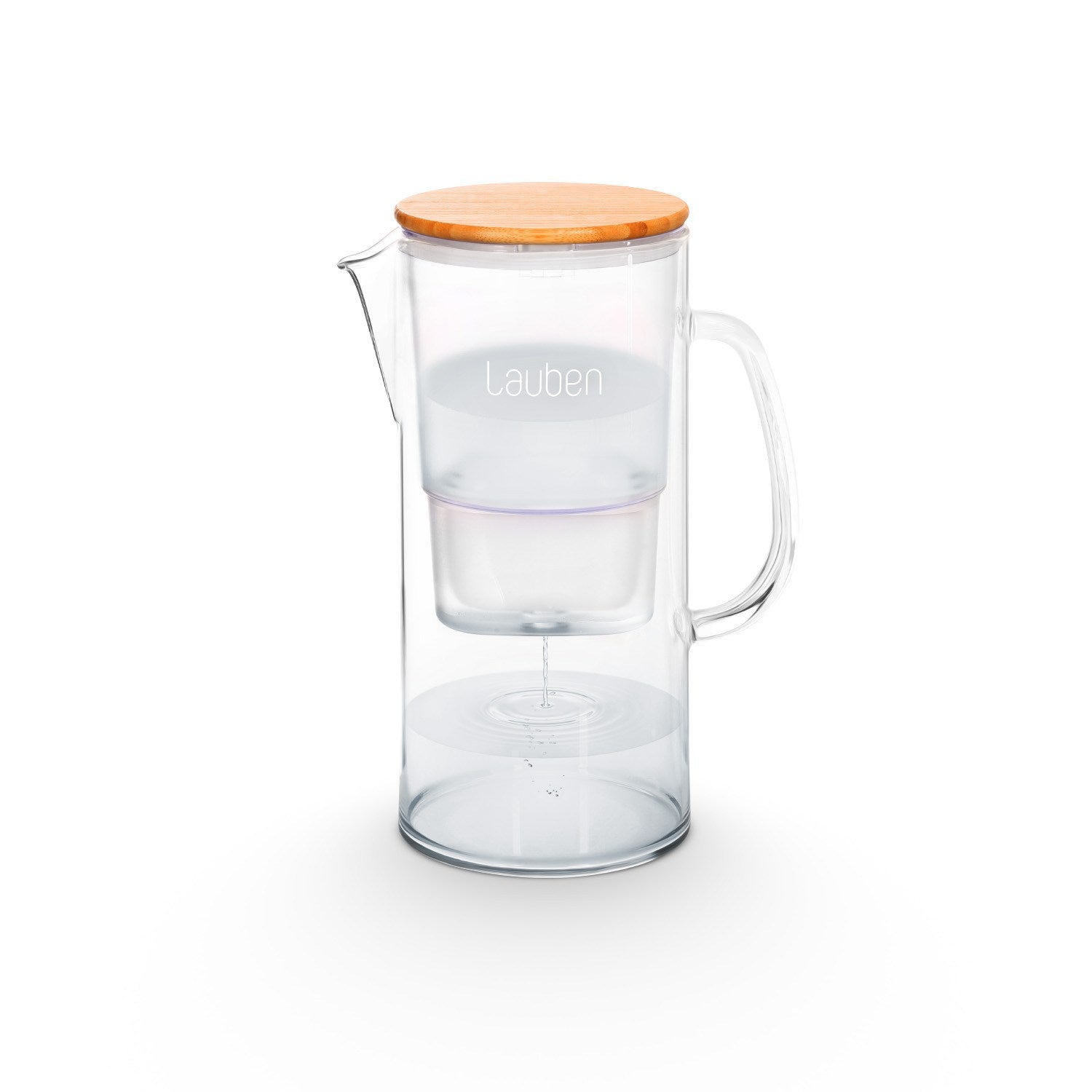
The Lauben Glass Water Filter Jug 25GW cleans water in four stages, removing chlorine, heavy metals and other unwanted substances while keeping the calcium and magnesium. Besides better taste, it has one more practical bonus. With filtered water, less limescale builds up in your kettle and coffee maker, so the appliances last longer. The jug is made of borosilicate glass, so it adds no plastic aftertaste to the water, and the bamboo lid looks good on the table too.

Grinding you'll notice straight away
Ground coffee loses its aroma fast, within tens of minutes. That's why beans ground just before brewing taste noticeably better than shop-bought pre-ground coffee from a bag. You'll notice the difference in the aroma.
The Lauben Grinder 200ST grinds a batch of beans in a few seconds. It's operated by a pulse switch in the lid, so you control the coarseness by how long you grind, the longer it runs, the finer the coffee. It's a blade grinder, and with those one rule gives you an even result: grind in short pulses and give the grinder a light shake between them so the beans mix. The clear lid lets you see when the coarseness is just right.
How coarse to grind for each method:
- French press: coarse, roughly like sea salt
- Filter coffee: medium, like sand
- Moka pot: fine, like icing sugar
One extra tip. The same grinder also grinds spices, so fresh cinnamon or cardamom for an autumn latte is a matter of seconds.

Milk and a velvety foam
The last piece of the puzzle is milk. Heated and frothed properly, it turns ordinary coffee into a latte or cappuccino.
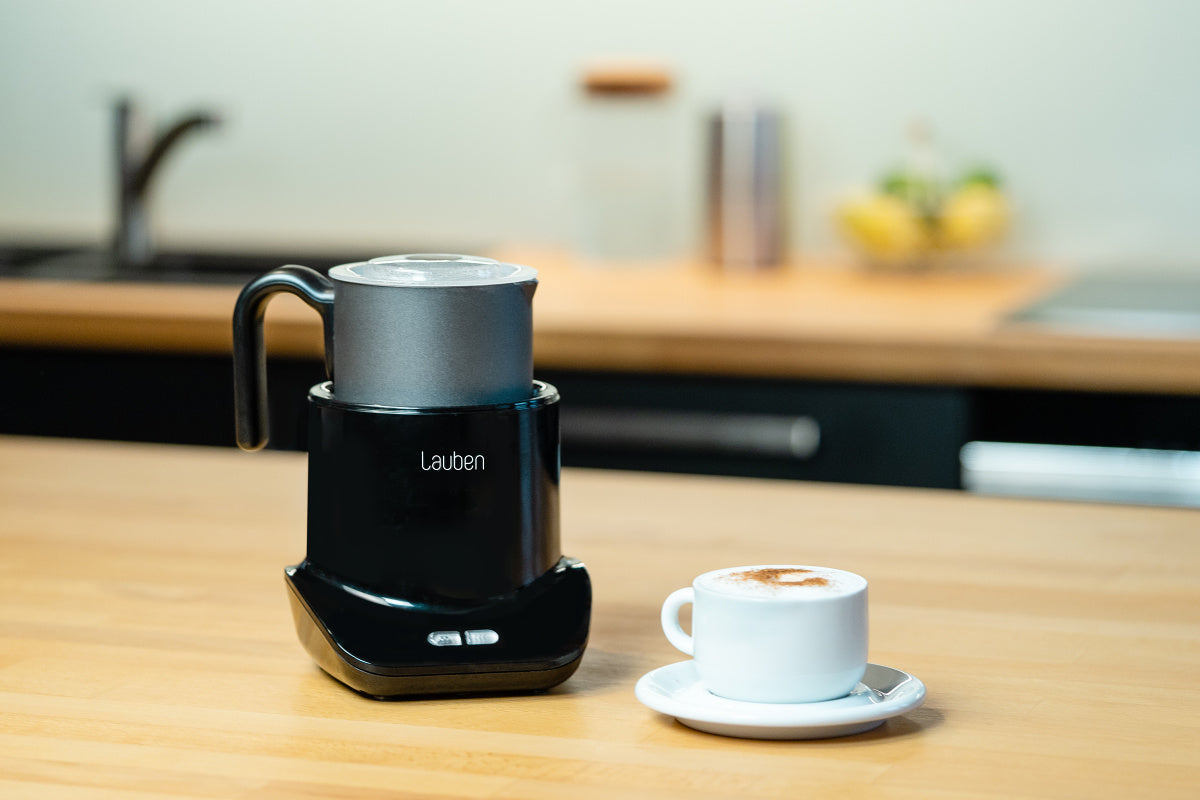
The Lauben Milk Frother 550BC heats milk by induction and whips it into a smooth foam. It does both a warm and a cold version and holds a larger batch of milk, so you can make several mugs at once. Just pour in the milk, choose a mode and wait a moment, it takes care of the rest.

A latte where the three basics meet
Now we bring it all together. One latte that shows how water, grind and milk play together.
- Pour filtered water from the jug into your coffee maker.
- Grind a fresh batch of beans, medium-coarse for filter coffee.
- Brew a strong coffee and pour it into a mug.
- Pour the milk into the frother and start the warm frothing.
- Slowly pour the frothed milk over the coffee. That's it.

FAQ
How often do you change the jug's filter? The filter lasts about 160 litres of water, which is roughly a month of normal use. With harder water or heavier use, change it a little sooner, the taste will tell you.
Does grind coarseness really matter that much? Yes, it's one of the biggest differences in taste. Too fine a grind in a French press turns bitter and cloudy, too coarse in a moka pot comes out watery. If your coffee isn't tasting right, start with the coarseness.
How do you grind evenly with a blade grinder? Grind in short pulses, shake the grinder lightly between them and don't overfill it. A smaller batch grinds more evenly than a full one, and the clear lid keeps the process under control.
Can you froth plant milk too? You can. The barista versions of oat or soya milk work best, as they have more protein and fat and hold the foam. Ordinary plant drinks froth too, but the foam tends to be thinner.
Does the grinder handle anything other than coffee? Yes, it manages spices, nuts and seeds too. After grinding spices, wipe the grinder out so the next batch of coffee doesn't pick up a stray aroma.
Why it's worth it
Perfect-tasting coffee isn't about one expensive machine, but about three basics. Filtered water, freshly ground coffee and frothed milk come together into a coffee that tastes like a café's. And each of the three steps takes just a few minutes.